01Earthworks
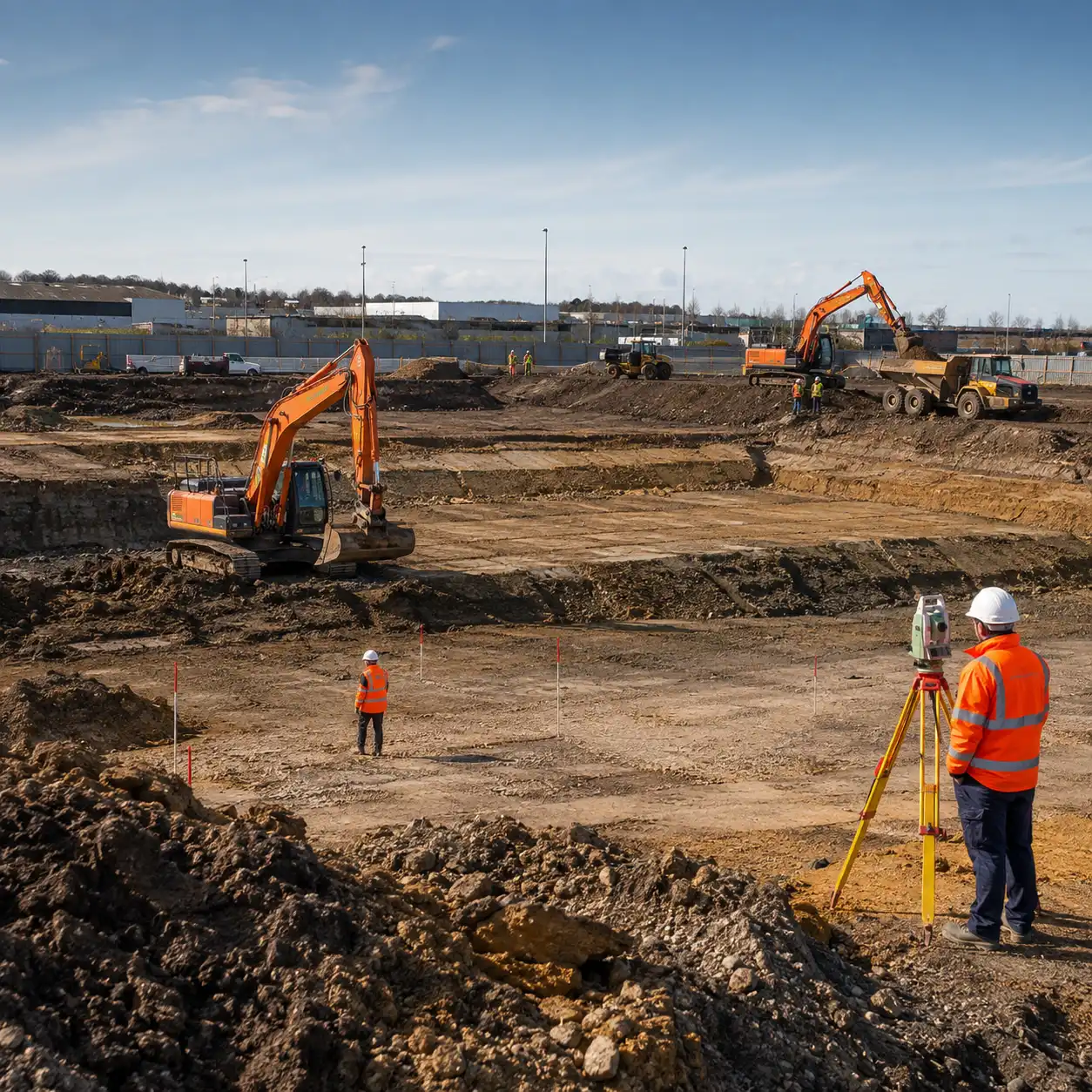
Slab tolerance signed off to a structural spec, then racking or equipment arrives to a tighter one.
Commercial construction / interior fitout / NSW
Earthworks, structure and interior fitout, delivered by one company on one program and tracked in Procore.
Industrial and logistics. Commercial and retail. Fuel. Government and community. Institutional.
Two directors with 35 years each in the industry and over $100 million delivered between them, including single projects to $12 million.
Send the drawings. A director prices it and tells you what the site will actually cost to build, before your tender goes out.
02 / Package interfaces
Earthworks, structure and interior fitout are usually three contracts, often tendered months apart. Each package carries its own program, its own float and its own defect liability period. Nobody carries the join between them.
Where it costs you
01Earthworks
Slab tolerance signed off to a structural spec, then racking or equipment arrives to a tighter one.
02Structure
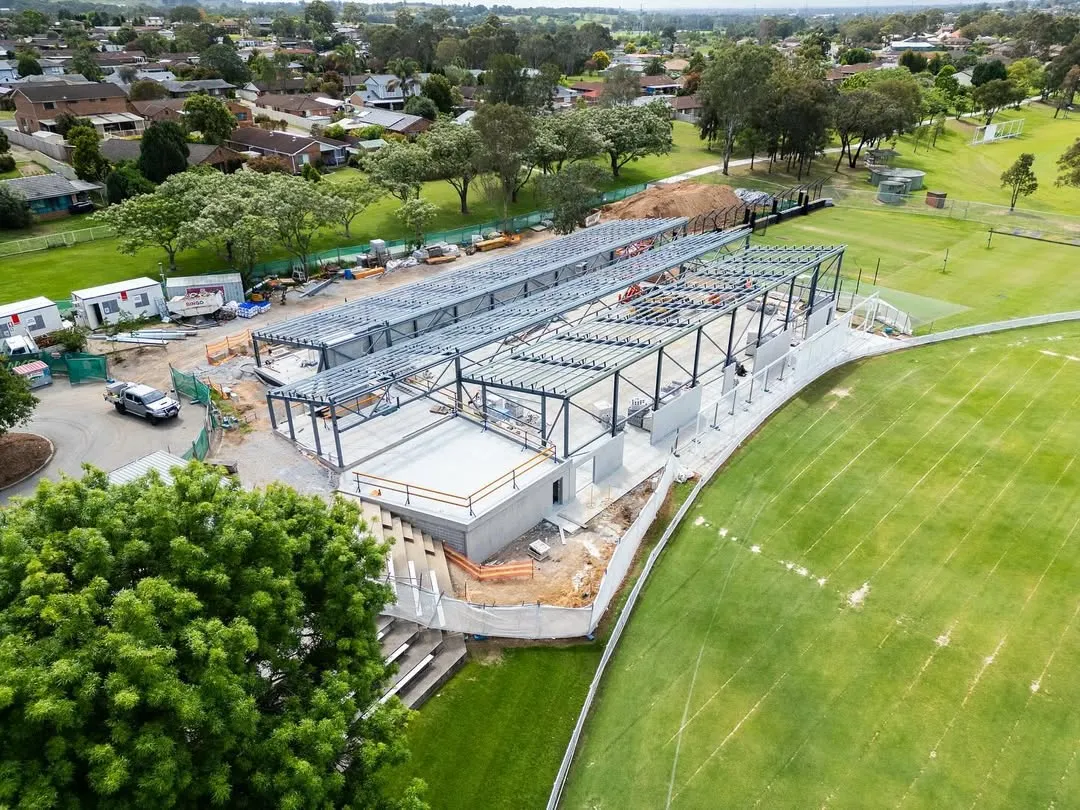
Services penetrations set before the fitout scope was awarded, and cut again afterward.
03Interior fitout
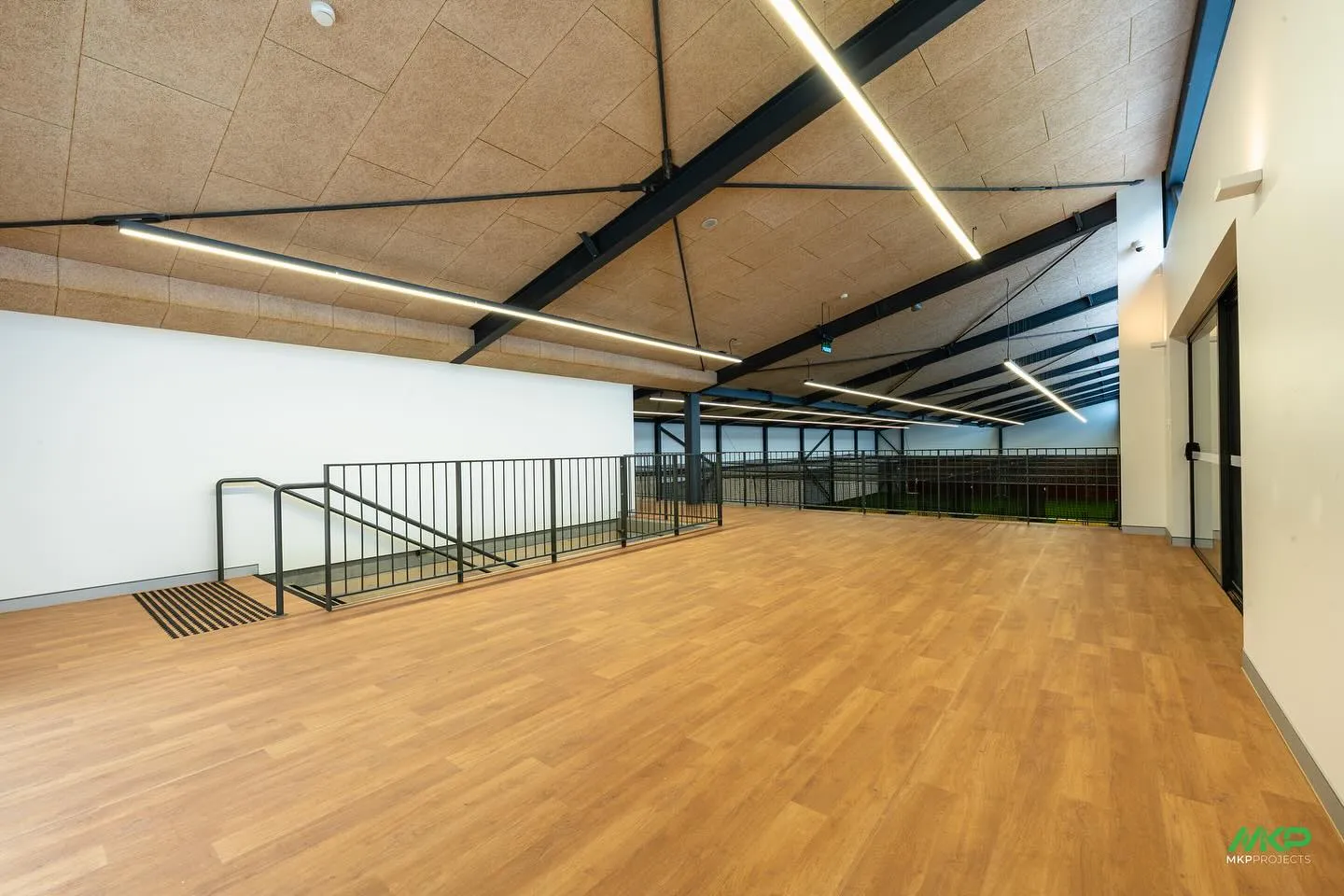
A structural certificate outstanding while the certifier holds your Occupation Certificate.
In every one of those, two contractors have a defensible position and nobody owns the outcome. Your project manager sorts it out, and that was never priced into the job.
Three tenders. Three sets of drawings issued and reissued. Three payment schedules, three variation registers and three defects lists. Three programs someone has to reconcile, and that someone works for you.
One contract
One contract removes all of it. Decisions get made in one meeting. Sequencing happens inside the company rather than between companies. When something changes, one contractor adjusts the whole run instead of three renegotiating with each other.
Faster, better coordinated, and you always know who to call.
03 / One entity / whole run
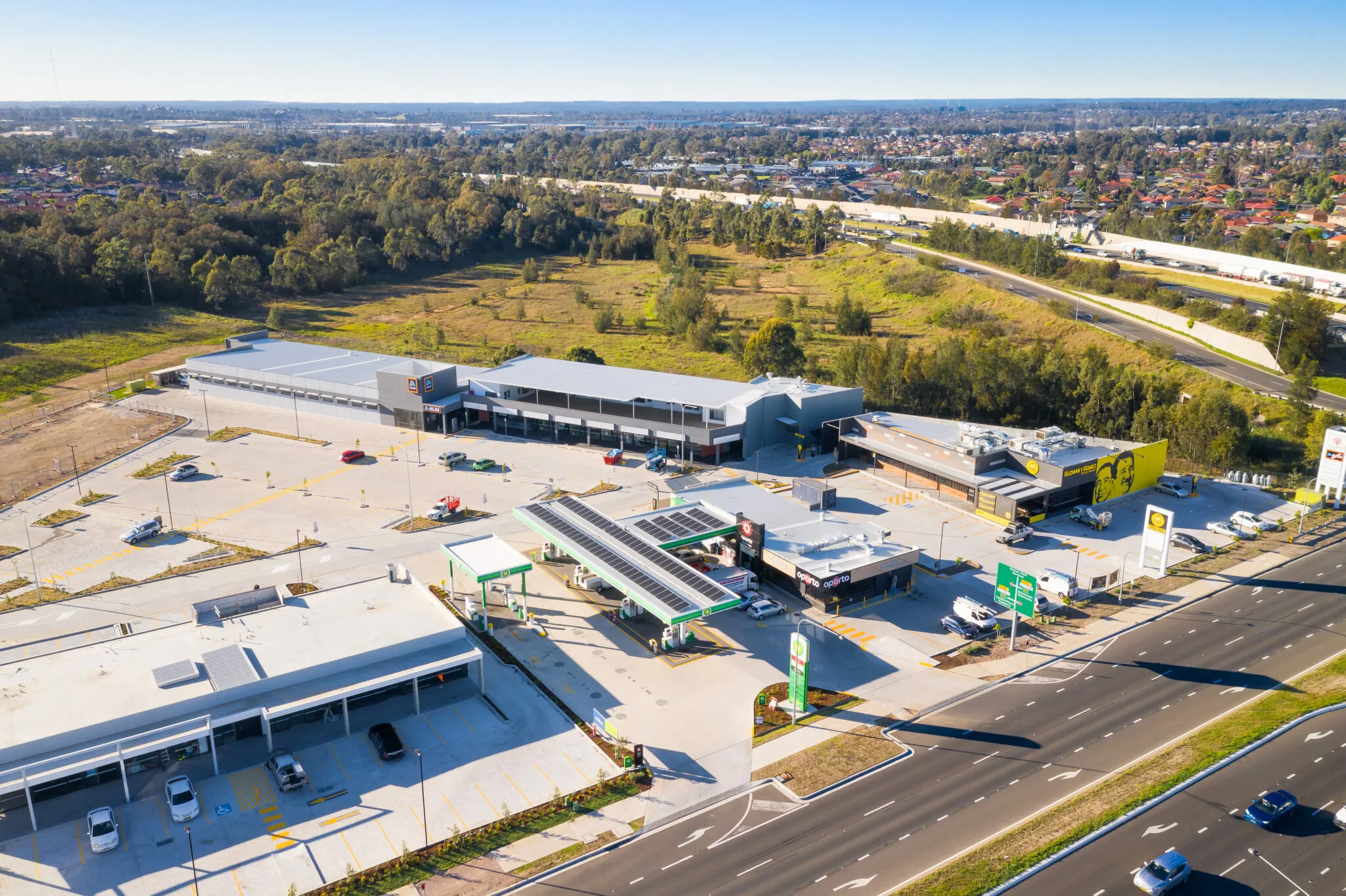
MKP Projects builds structure and civil, with its own plant for earthworks and excavation. Building Project Solutions builds commercial interiors.
They did not agree to work together on projects. They formed one company.
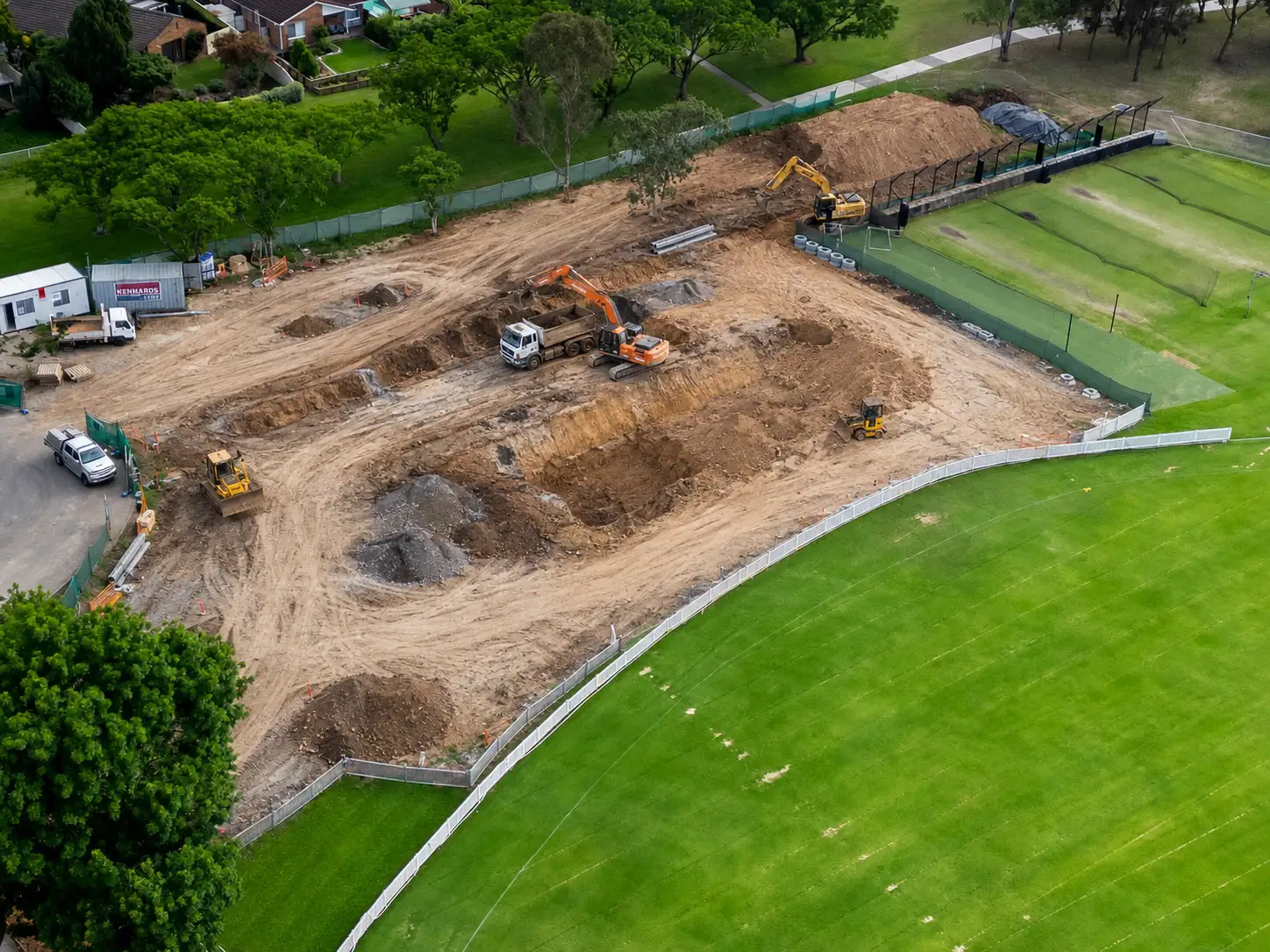
01 / Excavate
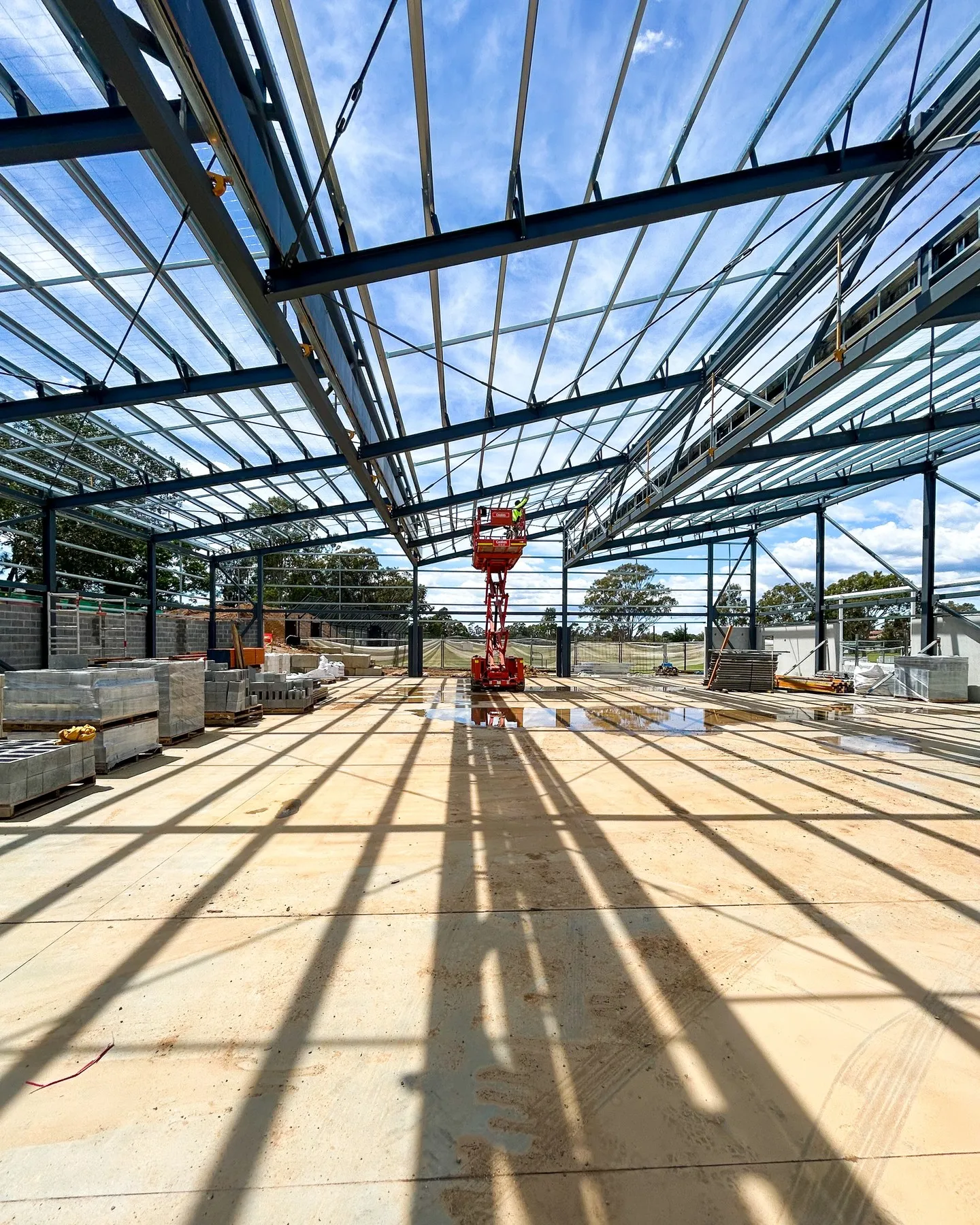
02 / Build
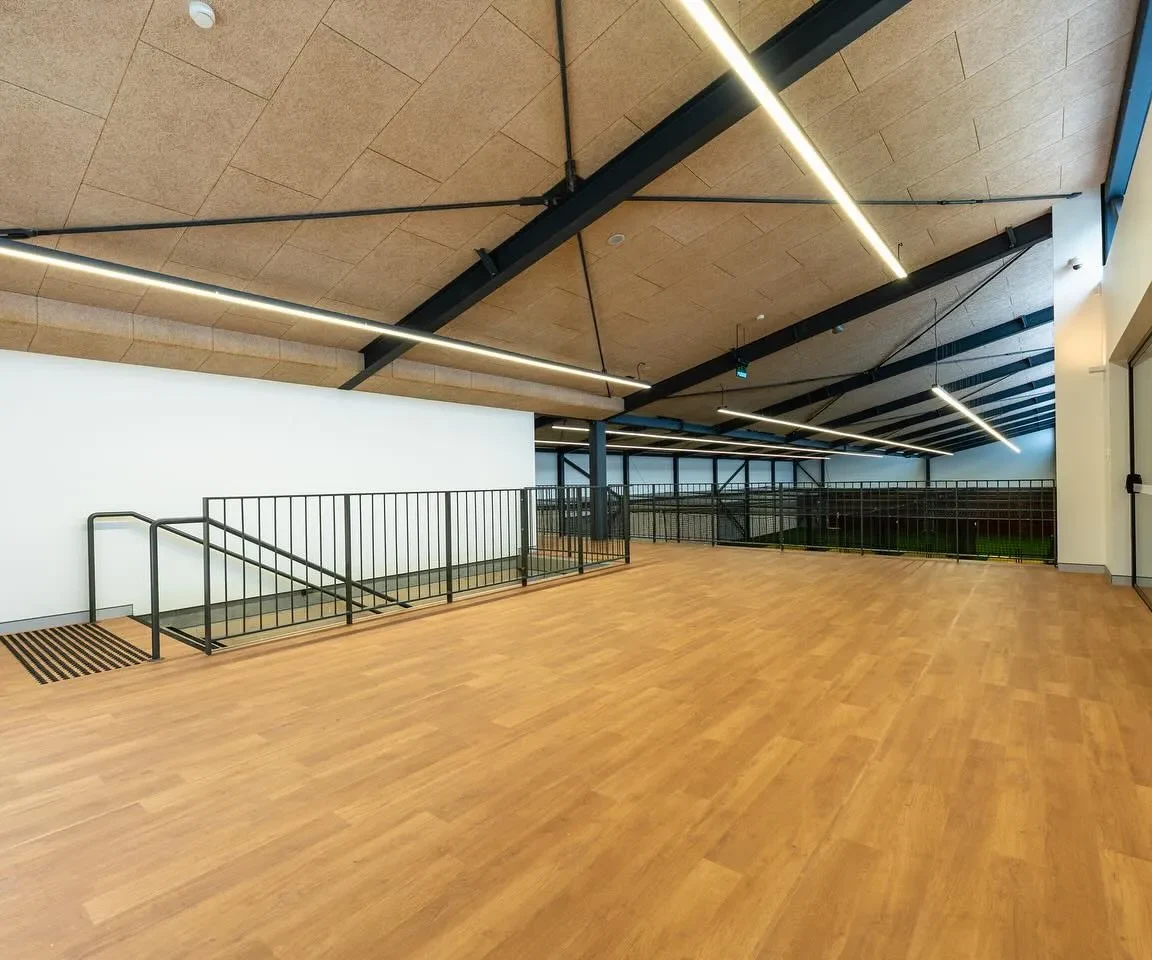
03 / Fit out
04 / Hand over
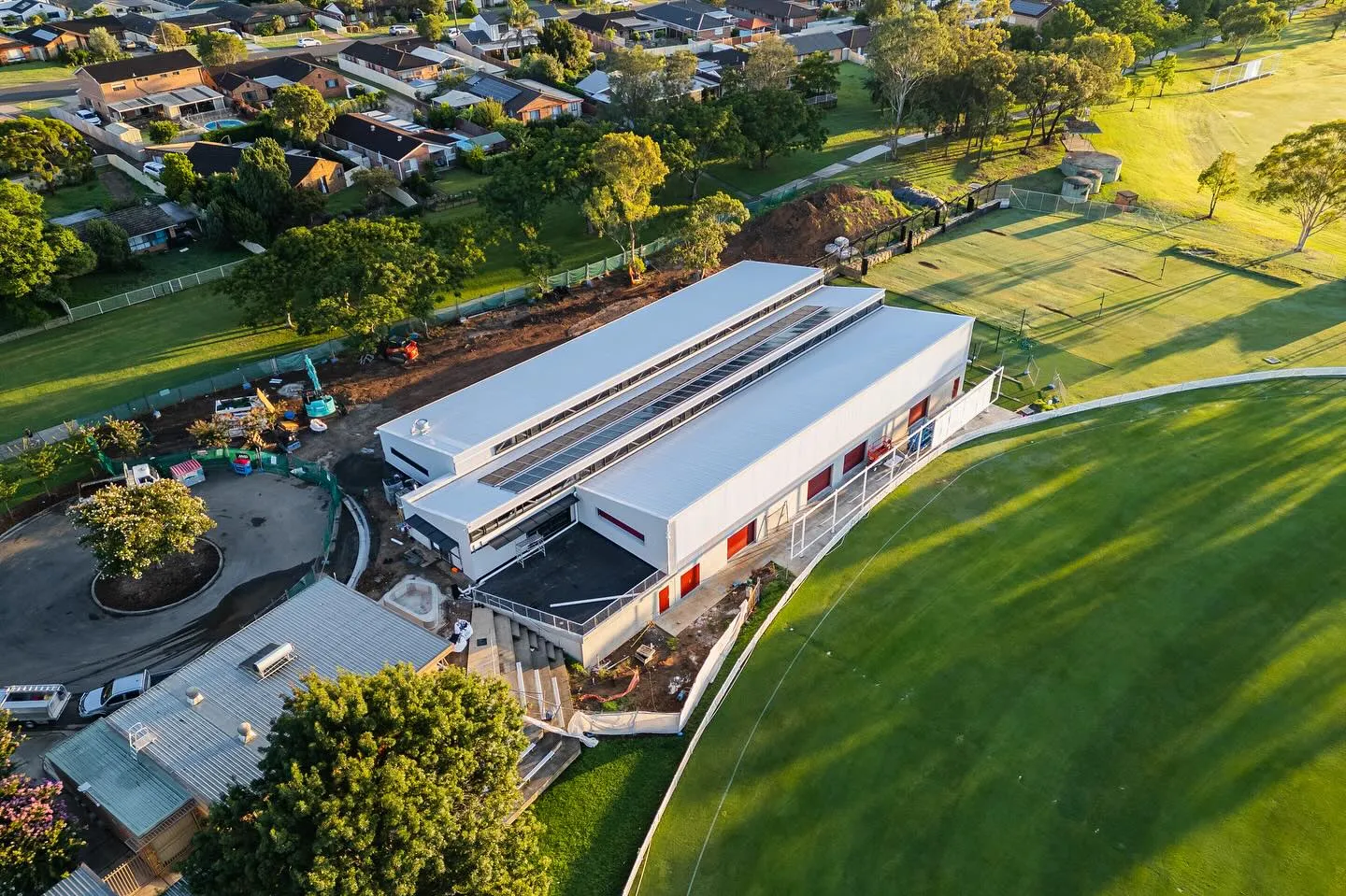
We start on the dirt with our own plant and finish with the certificates in your hand.
The plant is ours. Earthworks are self-performed, so your start date does not sit behind a hired machine or somebody else's job.
Nothing gets retendered halfway through. Nothing waits for the next contractor to be appointed. The people who set the slab levels are the people installing against them nine months later, which is the entire reason those two things end up matching.
The same system your project manager already works in.
Program, progress, RFIs, variations and documents in one place across the whole run. You are not chasing three contractors for three status updates, and you are not finding out at the site meeting.
Early contractor involvement. Send us the drawings and you get a cost plan against the current design, a buildability review naming what will cost you money to build, an outline program with the long lead items identified, and where the design can be changed to take cost out.
Before you commit. Not as a variation afterward.
04 / Delivery record
BPS Constructions Aus was formed in 2026, on purpose, so one company could hold a project from excavation to handover.
The delivery record belongs to the two companies inside it, and to two directors with 35 years each in the industry and over $100 million delivered between them.
Structure and civil: MKP Projects
Early contractor involvement, design and construct, construct only, civil and earthmoving. Plant owned rather than hired.
Delivered, by sector:
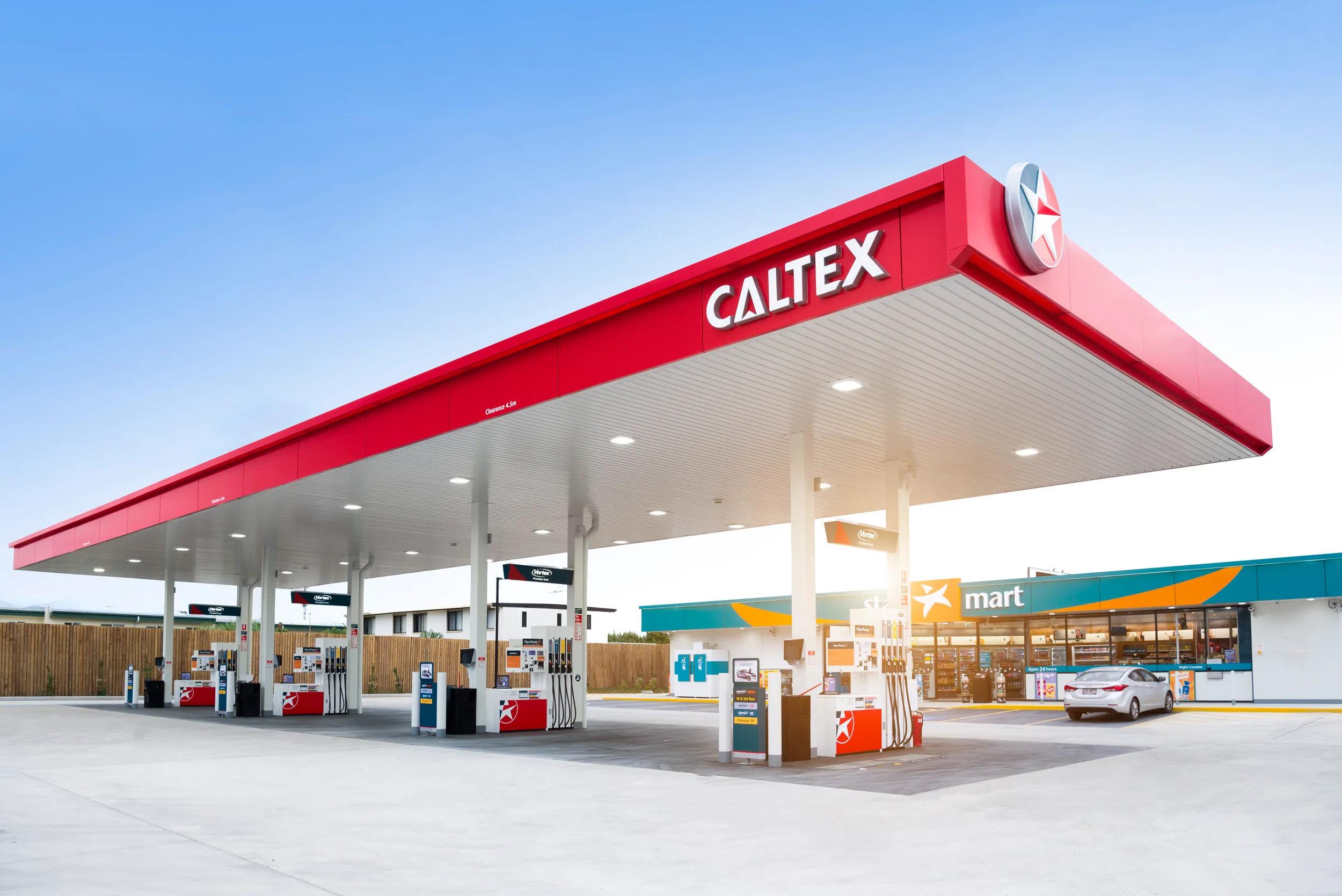
Fuel.
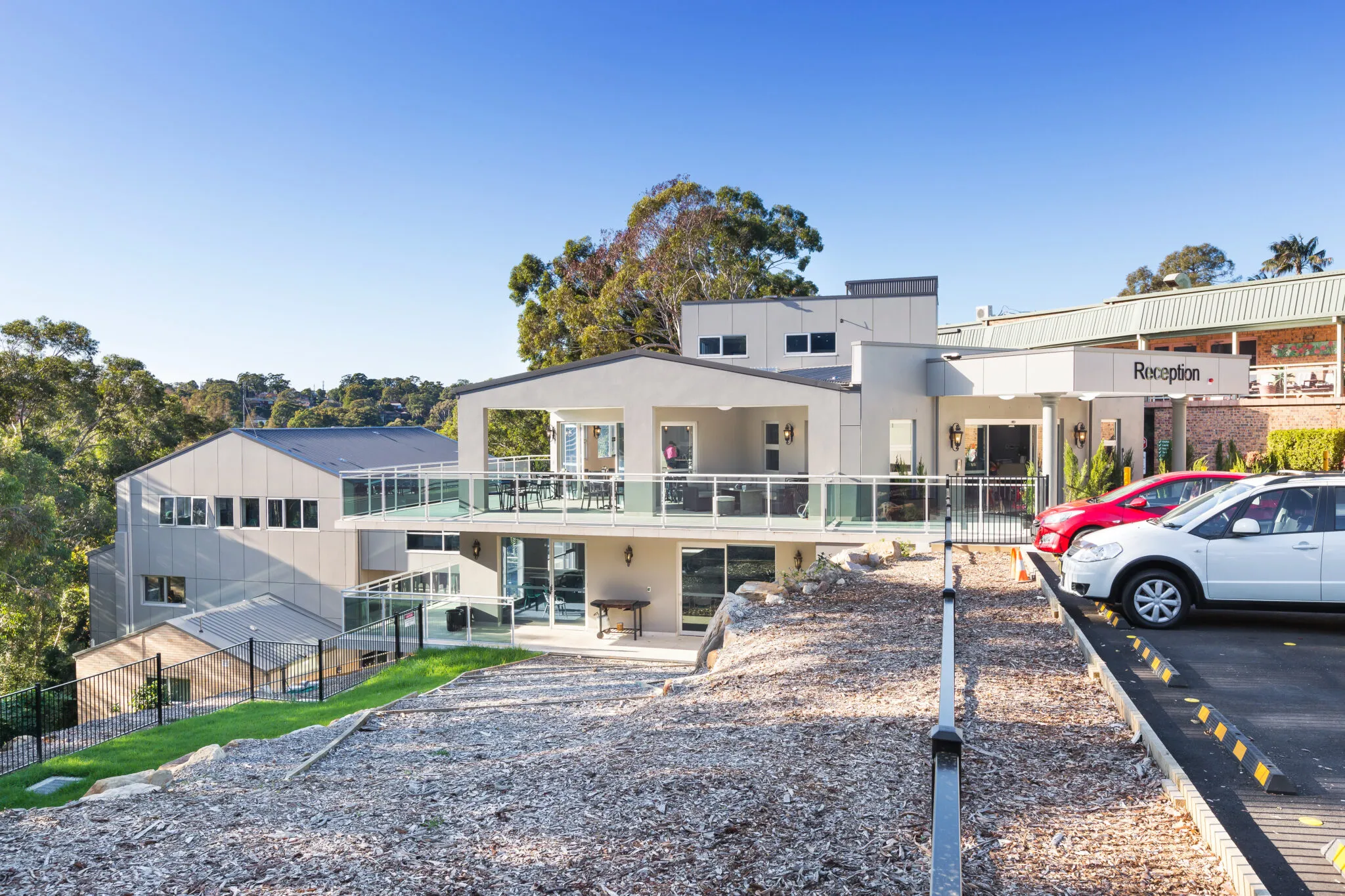
Institutional.
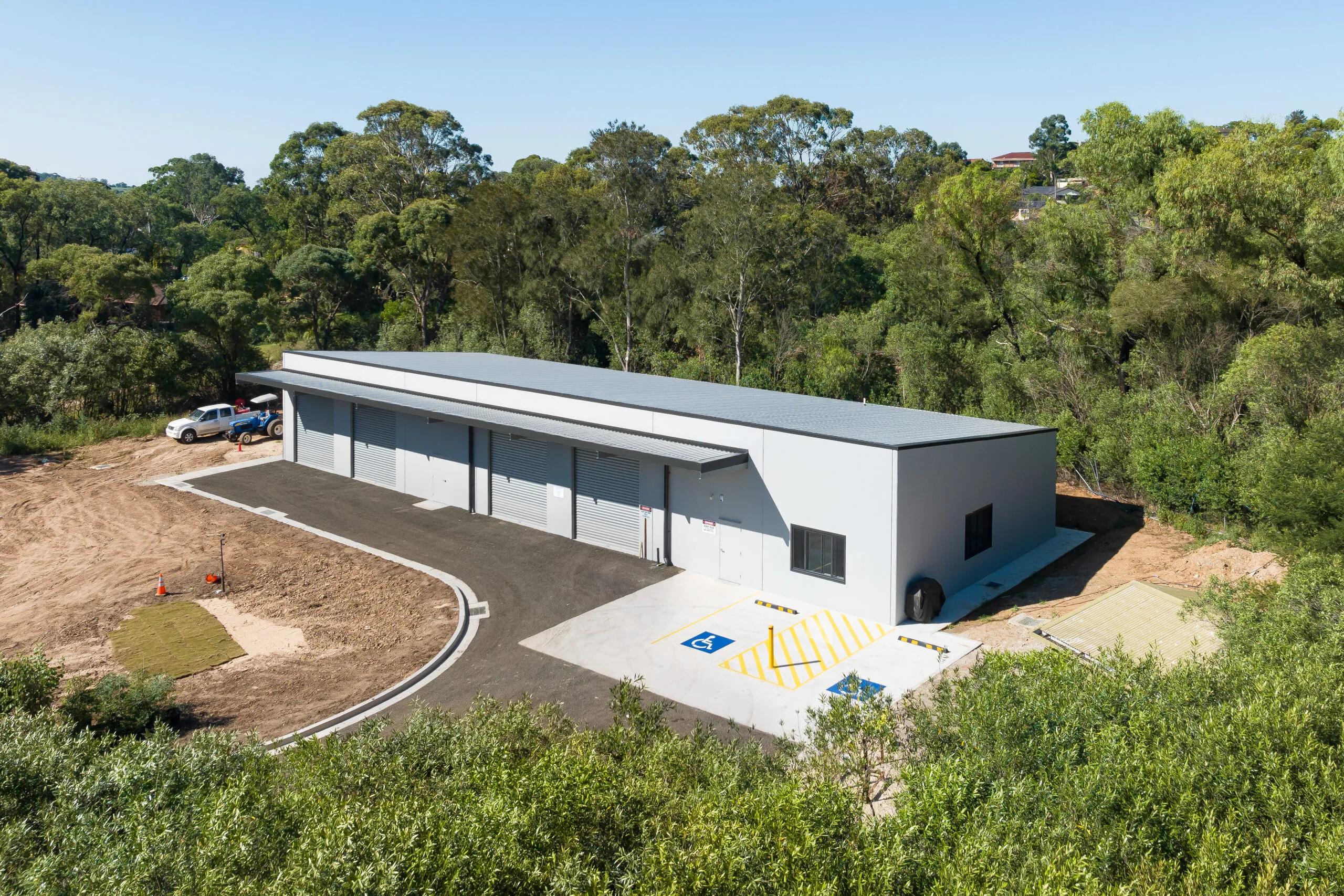
Government and community.
Commercial.
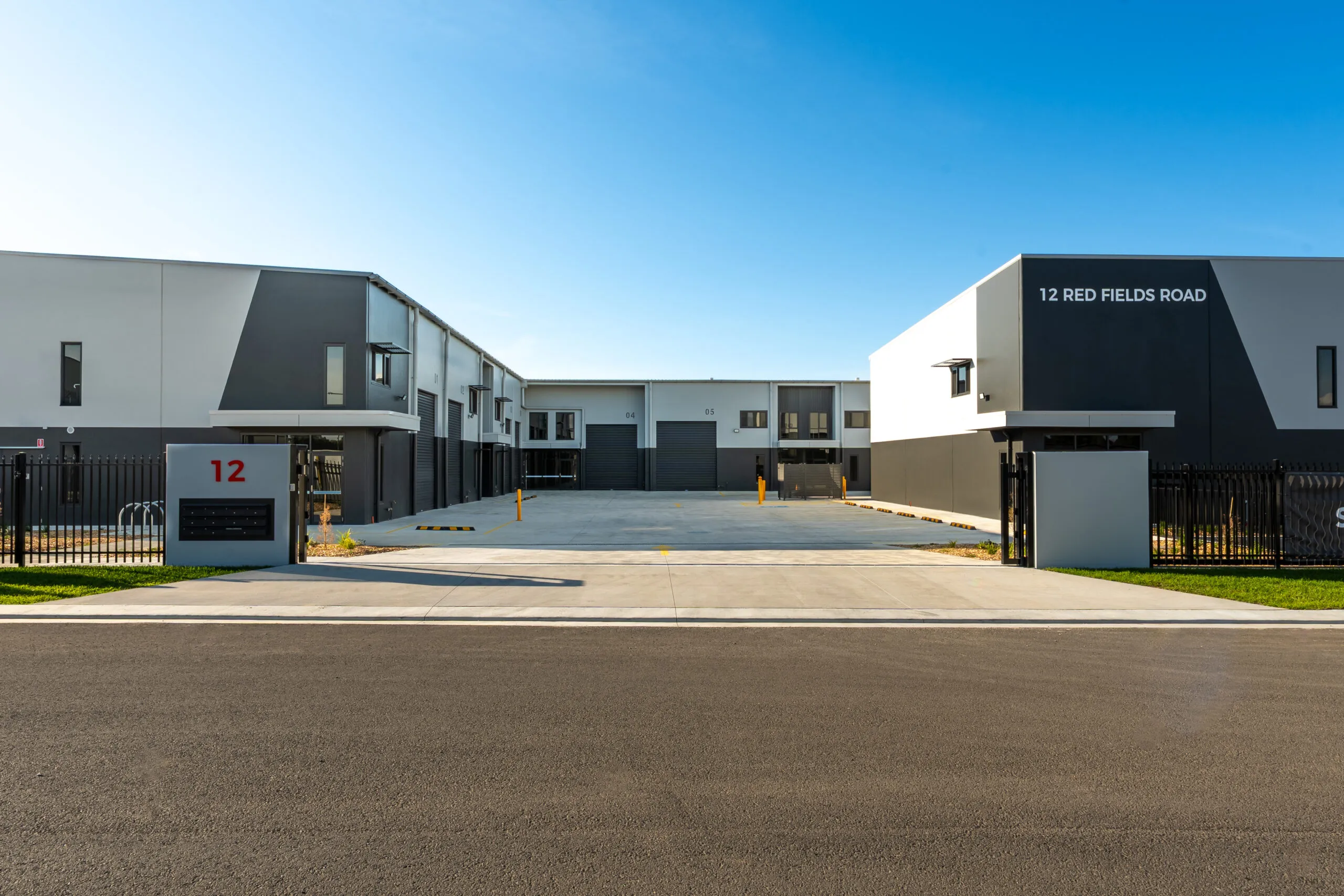
Industrial and logistics.
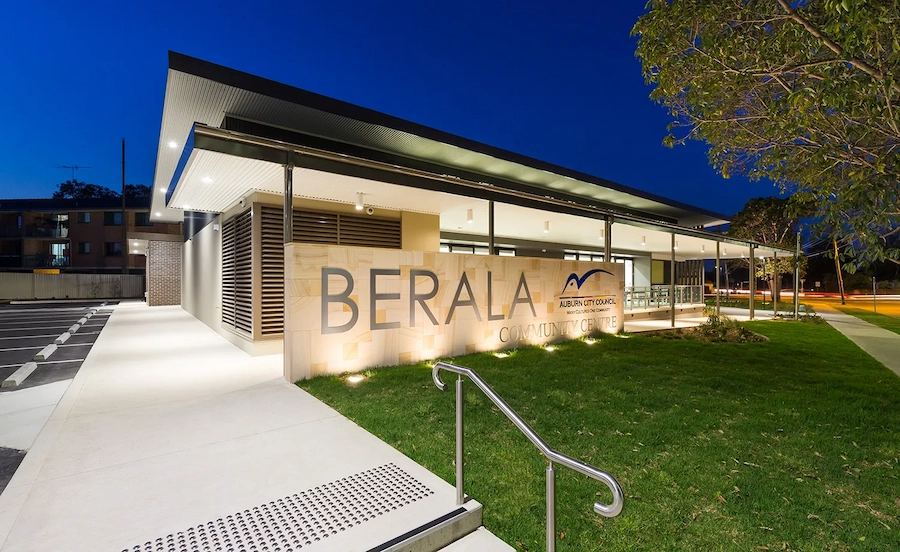
Government and community.
Commercial interiors across retail, hospitality, medical and clinical, and gyms. Greater Sydney, plus multi-site rollouts for operators running more than one site.
Every variation raised in writing with cost and time impact, and approved before the work goes ahead. That is how the company has run from the start, not a policy written for this page.
Procore across the whole run. Program, progress, RFIs, variations and documents in one place, with your own login.
If your project manager wants to know where something is at four in the afternoon, he looks. He does not ring three contractors.
Both directors oversee every job the company runs, from tender through to handover.
Not a principal at the tender and a coordinator afterward.
05 / From ECI to handover
Early contractor involvement on your drawings. Cost plan, buildability review, outline program with long lead items, and where the design can be changed to take cost out.
One contract covering the full run. Procore access live from day one.
The program you are given at award is the program the site works to, with the fitout sequence already written into it.
Self-performed. Bulk and detail excavation, and the site set up for the structure going on it.
Latent conditions get reported the day they are found, priced, and brought to you before anything proceeds.
Progress, RFIs, variations and inspection records go into Procore as they happen.
You get a program and progress report on a fixed cycle, not when you chase one.
No retender. No new contractor learning the site. The fitout was sequenced alongside the structure, by the people who built it.
Certificates, warranties, manuals and as-builts as one complete pack, issued at practical completion rather than negotiated afterward.
Then one defect liability period covering the whole run.
06 / Defect liability
Tender earthworks, structure and fitout as separate packages, which is how most of these projects get procured, and you end up with three defect liability periods.
The earthworks period started when their package finished, probably a year before anyone else's. The structural period started at their practical completion. The fitout period started at yours.
Three start dates, three expiry dates, three companies. When something fails where two packages meet, at least two of them tell you it is not their scope, and both are right.
Earthworks period
Structural period
Fitout period
One period, one start date, one contractor
It begins at practical completion of the whole project and it covers the run. Excavation, structure, interior fitout.
You do not diagnose the cause before you can make the claim.
You report it, and working out which trade it came from is our problem, not yours.
A guarantee you have to read twice is not a guarantee, so here they are.
Every one of those is about what caused the defect. None of them change who you call.
Why this is worth saying out loud
We audited the New South Wales contractors delivering structure and interior fitout together. Every one sells a single point of accountability.
None of them will carry one defect liability period across both scopes, because their two scopes sit in two companies. Ours do not.
07 / Pre-tender ECI
Early contractor involvement happens while you can still change something. Send the drawings before the tender goes out and you get four things back.
What the project actually builds for, not a rate per square metre.
Where the drawings will cost you money on site, and what will be found once the excavator starts.
Full run, excavation to handover, with the long lead items identified.
Design changes that reduce the number without reducing what you are getting.
The cost plan, the program and the buildability review are yours whether you appoint us or not.
If the project has to go to open tender, take them with you.
We would rather be the contractor who found the problem in the drawings than the one who priced around it.
A director. On the drawings, not on a discovery call.
If we are not the right contractor for the project we will tell you early, and what we have given you still works with whoever you appoint.
Early contractor involvement
Send the drawings and the site address. If you would rather start with a capability statement for your procurement file, ask for that instead and we will send it the same way.
Insurances, systems and referees are in the capability statement. Ask and it comes back the same day.
08 / Procurement timing
Most of what a project costs is decided in the drawings, not on the site.
By the time documentation is complete and the packages are split, the expensive decisions are made. What is left is choosing who executes them.
Bring us in at design and the buildability problems get drawn out rather than priced in.
Bring us in at procurement strategy and the run stays in one contract.
Bring us in after award and we work inside decisions someone else made, on a program with no float left.
Not because we would not do it. Because the sequencing already belongs to someone else, and the fitout gets tendered months after the structure is underway.
That is the day the join between packages becomes yours to manage again.
Plenty of projects are past that point, or run to a procurement policy that was never yours to change.
We tender packages too. Structure on its own, fitout on its own, or both under a head contract where the client wants them separated on paper.
The whole run is what we are built for. It is not the only way we work.
09 / Due diligence
We have said it on this page rather than leaving you to find it.
It is new because two builders with 35 years each decided a project should not change hands three times between the first excavation and handover. That decision is the company. Everything else here follows from it.
Before you shortlist
Not who is accountable. Who carries the period.
Most will answer the first question, because they cannot answer the second.